5 Common Mistakes To Avoid When Selling Your Home

It’s every seller’s dream to sell their home quickly and without hassle. Nobody wants their home to languish on the market for months on end. Make sure you avoid these five common mistakes to help your home sell as easily as possible.  

Mistake #1: Setting the Price Too High

Pricing your home too high is a common pitfall that creates an unwanted domino effect. First, the higher price will deter legitimate, qualified buyers searching for a home in your price range. As a result, you’ll be less likely to receive offers from eager buyers. Your home will sit on the market instead. And the longer your home’s up for sale, the less urgency buyers feel to make a quick offer. In the end, you’ll be forced into a price reduction that gives the buyer extra negotiating power. Read more

What Can Delay a Closing?

It’s unfortunately all too common for home settlements to be delayed unexpectedly. Real estate transactions are complex, which means that many factors pose the risk of delay or, even worse, cancellation. 

Before you approach your own settlement date, make sure you understand the most common reasons why a real estate closing may be delayed and avoid those pitfalls. 

Title Report Red Flags

In order to buy or sell a home, you must possess a free and clear title. This document proves legal ownership of a real asset — like a home — and must be clear of debts, liens, and credit claims in order to be transferred in a real estate transaction.  Read more

Does the Seller or Buyer Pay Closing Costs?
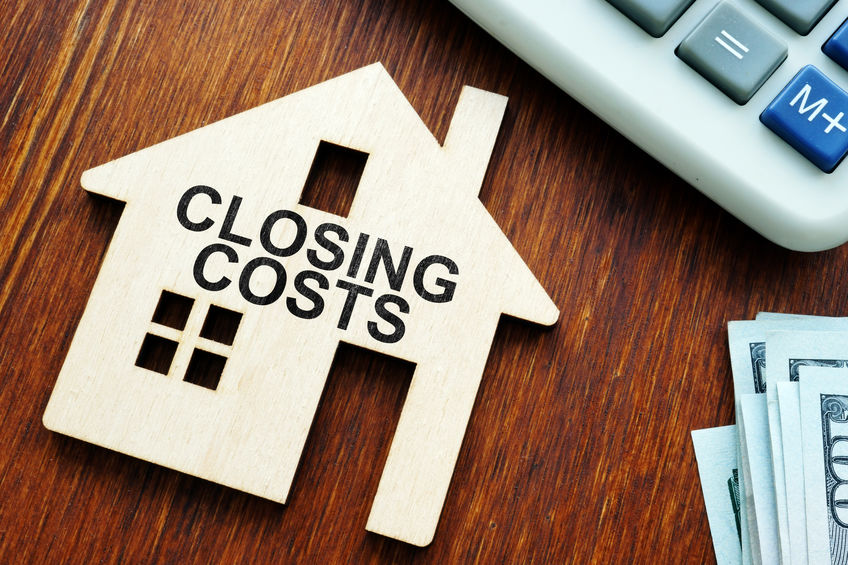
Whether you’re buying or selling a home, it’s important to understand the process and costs involved. Aside from your moving truck or brand new mortgage, real estate transactions also involve closing costs. Learn more about whether you’re responsible for paying these closing costs and why they matter.

What Are Closing Costs?

Closing costs include all of the expenses and fees that must be paid on closing day. In most residential sales, closing costs equal between 3-6% of the home’s total purchase price.  Read more
The Only Acceptable Forms of Identification You Should Bring to Your Home Closing

The process of purchasing a home requires numerous steps that help you get closer and closer to the finish line: closing day. Closing, also known as settlement, is a meeting between the home sellers, buyers, and any agents and representatives in order to sign documents that transfer property ownership. 

It is also the time to pay closing costs and escrow payments. As the very last requirement before your dream home is finally yours, closing day should be handled with the utmost attention to detail to ensure that everything runs smoothly. This is why it’s so crucial to bring the correct forms of identification with you to your closing! Read more

Free Property Fraud Alert

Property fraud is a white-collar crime that’s rapidly growing in prevalence in the United States. It’s crucial for homeowners throughout the state of Florida to protect themselves against the growing risk of property fraud. Luckily, free property fraud alerts are now available in Hillsborough County and can simplify the process of property fraud protection. 

Let’s learn more about property fraud and how to sign up for free alerts to protect your home in Hillsborough County. 

Understanding Property Fraud

Property fraud occurs when scammers create and file fraudulent deeds. To do so, the scammer may counterfeit the homeowner’s identity, illegally transfer the property into his or her name, and officially record a document in the county’s official records. Read more

Safety Tips for Wiring Funds for a Home Sale or Closing

Using email and other electronic means to facilitate a home sale or closing is becoming more and more common, even before the pandemic. Now that everyone is staying at home and keeping their distance, almost all closing tables are happening over Zoom with digital signatures and electronic payments.

If this hardly sounds safe, you would be right. Although going digital certainly makes things convenient, it also makes it much easier to successfully commit fraud. The FBI has divulged several different wire fraud scams that have been used repeatedly to illegally obtain real estate closing funds.  Read more

Why Cashier’s Checks for Home Sale Closing Costs Are Nearly Obsolete

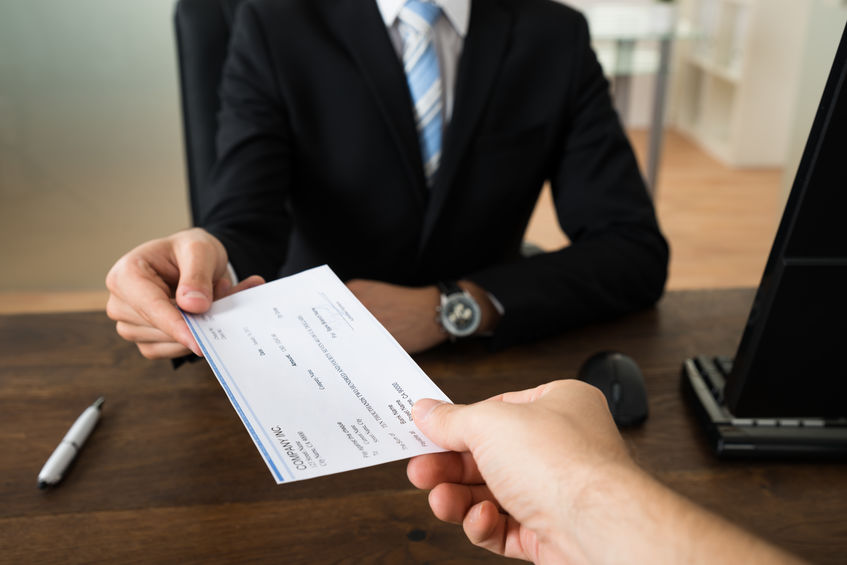
If you were expecting a cashier’s check when you arrived at closing, you might be surprised to learn that this isn’t an option anymore for most realtors. When someone buys your home, you likely won’t get a cashier’s check in hand on the spot for your portion of the purchase price. Instead, it is likely that you will be expected to accept electronic payment of some sort. 

Why the change?

Even before the pandemic, the exchange of cashier’s checks is something that has been disappearing from closing tables. More and more people are using electronic forms of payment. Cash is becoming so obsolete that stores don’t even have enough change to give out to customers and are starting to require the use of debit and credit cards. Electronic payment is simply more effective and convenient. There are no waits for banks to open and no question about whether or not the check is legitimate. Read more

Common Inspections You Should Expect the Buyer to Request

For the most part, the inspections you need to sell your home are up to you and the buyer. In most cases, additional inspections requested by the buyer are their responsibility to pay. However, a buyer’s home inspection is much more common than it once was, and there are other inspections that might be requested by the buyer, their lender, or their appraiser. Here’s what you might be able to expect when you sell your home.

Appraiser requested inspections

The buyer’s lender will want an appraisal of the property that you are selling to make sure that it is a worthwhile investment before backing the sale. An appraiser may request certain inspections depending on what they find in their initial appraisal.  Read more

Why Your Spouse Must Sign the Deed and What to Do If You Can’t Find Them

When a parting is mutual and everything is agreed upon, it can be tempting to let your divorce go in favor of spending your hard earned money elsewhere. Unfortunately, there can be a lot of ramifications to not taking care of these legal matters immediately, some of which you are probably unaware. 

In relation to selling a home, leaving your separation in limbo can prevent you from actually signing away the property. This is true even if: Read more

The Best Way to Pay Closing Costs

If you’re wondering how you’re going to pay your closing costs without a checkbook, you’ll be relieved to know that you can’t pay closing costs with a personal check anyway. You actually don’t have a lot of options for paying for your closing costs. Here’s what you need to know and the best method to use.

Cashier’s Check

In years gone by, a cashier’s check was the preferred method of paying closing costs. A cashier’s check is issued and guaranteed by your bank or other financial institution, which is why most closing and real estate agents have preferred it in the past. It seemed like the safest, most guaranteed option to get their money without receiving cash. Read more