Why Your Spouse Must Sign the Deed and What to Do If You Can’t Find Them

When a parting is mutual and everything is agreed upon, it can be tempting to let your divorce go in favor of spending your hard earned money elsewhere. Unfortunately, there can be a lot of ramifications to not taking care of these legal matters immediately, some of which you are probably unaware. 

In relation to selling a home, leaving your separation in limbo can prevent you from actually signing away the property. This is true even if: Read more

The Best Way to Pay Closing Costs

If you’re wondering how you’re going to pay your closing costs without a checkbook, you’ll be relieved to know that you can’t pay closing costs with a personal check anyway. You actually don’t have a lot of options for paying for your closing costs. Here’s what you need to know and the best method to use.

Cashier’s Check

In years gone by, a cashier’s check was the preferred method of paying closing costs. A cashier’s check is issued and guaranteed by your bank or other financial institution, which is why most closing and real estate agents have preferred it in the past. It seemed like the safest, most guaranteed option to get their money without receiving cash. Read more

How Many Checks Do I Need at Closing, and Who Gets Them?

Most people are aware that they are going to need to pay closing costs, but it isn’t always clear what those costs are, what is paid upfront, and what is paid on the day of closing when you take over your new home. 

You need to be prepared for these costs, and your real estate agent can give you an estimate. Your actual closing costs, checks required, and other details may not be released to you until just a few days before closing. Here’s what you need to know to be prepared.

If you don’t use a closing agent, you’re going to need at least two checks.

The first check you’re going to need is the required down payment, made out to your lender. Your lender will give a check to the seller, although not necessarily in the same amount. The second check will go to the real estate agent for closing costs and fees that haven’t yet been paid, such as title insurance and appraisals. Read more

Things Required for Closing You Probably Didn’t Think About

Whether you are buying or selling a house, there are certain things that always happen at closing that you need to be prepared for. There are specific parties that must be present or represented, and there are associated costs you may not be aware of. Here is what you need to have with you when you meet for closing.

Parties Present at Closing

You know closing involves the buyer, seller, and perhaps a realtor, but it is usually a surprise to homeowners that there are many others that must be present or otherwise represented. Some situations vary; but as a general rule, the following parties must be present or represented at closing: Read more

Real Estate and COVID: Safe Closing Amid the Coronavirus Pandemic

Many people have postponed moves or new home purchases due to the pandemic. With most people trying to stay at home and avoid travel, buying a home or moving within COVID guidelines for the area could be very difficult. Still, some home buyers may have plans in motion that cannot be postponed for long. 

If you are going to be buying a home before the pandemic is truly under control, you’ll need to take some precautions to keep you and others safe. Some of these guidelines are based on local requirements, while others are based on the CDC guidance.

Mask wearing is important and mandatory in Tampa.

Hillsborough County, which encompasses Southern Tampa, has a mask order in place. You must wear a mask if you will be within six feet of others. Since paperwork is passed from person to person during most closings, it is not possible to social distance, and masks are required. Masks have been proven to slow the spread of COVID-19. Read more

Who Is Responsible for Getting Title Insurance?
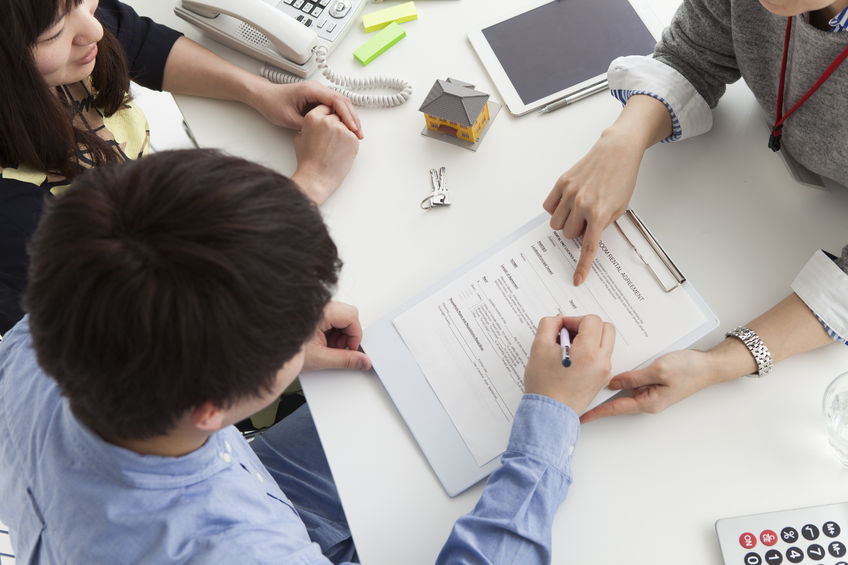
If you have never bought a house before, you probably haven’t heard of title insurance. A property deed or title has to be “clear,” or “free of defects,” that could cause the sale to be invalid or illegal. Title searches are done to try to ensure that there are no holds barring the owner from selling the property. Still, some title problems don’t come up until after the sale. This is what title insurance is meant to cover.

Title defects can vary, but the most common include: Read more
What to Do When a Title Cannot Be Produced by the Seller

Did you get all the way through closing while purchasing your new home only to discover that the seller can’t produce a title or deed for the property? If a seller isn’t able to produce a clear title, the home sale might not be valid. Here’s what you need to do next.

Understand what a clear title is.

A clear title means that a real estate deed has no title defects such as co-owners not in on the deal or lienholders or stakeholders preventing the sale. A property deed can easily be obtained through the courthouse; and if a seller won’t or can’t produce the title, it is probably because they don’t want you to know about a defect. Read more

Does Your Potential New Home Have a Clear Title?

When you buy a used car, it is very clear if there is a lien on the property. The lienholder’s name and contact information will be on the title, along with the owner’s information. But when you buy a home, you don’t have that transparency. Deeds or real estate titles do not list lienholders on the title.

You should never just take someone’s word for it that a title has no defects. Even real estate agents can be unscrupulous. So how do you know you have a clear title, and why it is important? Read on to find out.

Common Title Defects

A real estate deed may have any one of several title defects. A title defect is an issue with the title that makes it unlawful for the property to change hands. Some of the most common defects include: Read more

How to Prevent Real Estate Fraud

Real estate fraud is very real, especially in today’s world where everyone is trying to do everything online. With more and more people wanting to do contactless showings and closings, it is way too easy for people to take advantage of the situation and scam you out of your hard earned money. Here is what to look for and how to prevent real estate fraud.

Types of Real Estate Fraud

There are different forms of real estate fraud. The most common in today’s society is real estate fraud involving homes for sale. Scammers find property listed for sale or make up their own details around a picture found online, then try to hook in a potential “buyer.” Read more

Signs of Real Estate Wire Fraud and How to Avoid It

It has become quite common for people to find homes to purchase from different websites on the internet. The problem with doing this is that you can easily fall prey to wire fraud scams that will waste your time and could cost you hundreds or thousands of dollars. 

Especially with everyone trying to practice social distancing, most business is being held online; and, unfortunately, you cannot trust anyone online. They may not be who they say they are, and some people can sound very convincing. Here are some signs of real estate wire fraud and how to avoid it. Read more